Dead Tree Removal in Doylestown, PA
Dead tree removal services involve the safe and efficient removal of trees that are dead, decaying, or pose a risk to property or safety. This type of project typically includes assessing the tree’s condition, planning the best method for removal, and carefully dismantling or extracting the tree to prevent damage to surrounding structures, landscaping, or utilities. Homeowners often request this service when a dead or dying tree threatens to fall, causes obstruction, or has become insect-infested, helping to maintain the safety and appearance of the property.
Before requesting dead tree removal, property owners should consider factors such as the tree’s location, size, and proximity to buildings or power lines. It’s also helpful to understand the potential impact on landscaping and whether permits or notifications are required by local regulations. Proper planning ensures the removal process is carried out smoothly and safely, minimizing disruption and protecting the surrounding environment.
Many property owners in Doylestown, PA look into Dead Tree Removal for repairs, replacements, upgrades, and appearance-related improvements.
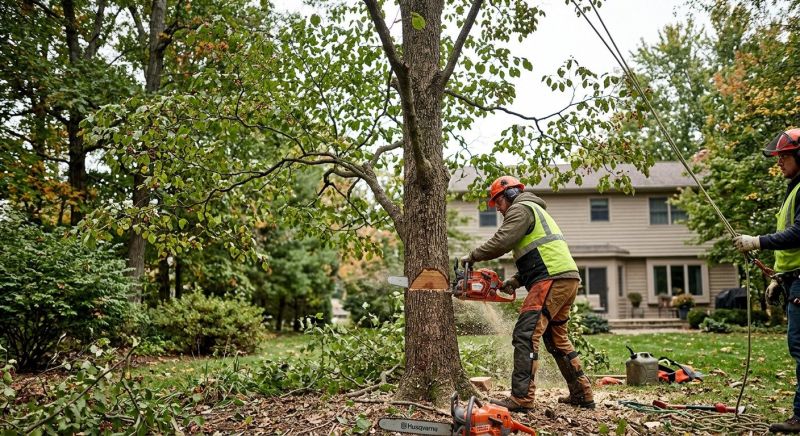
Dead Tree Removal Services
Examples of dead tree removal work property owners may explore in doylestown, pa.
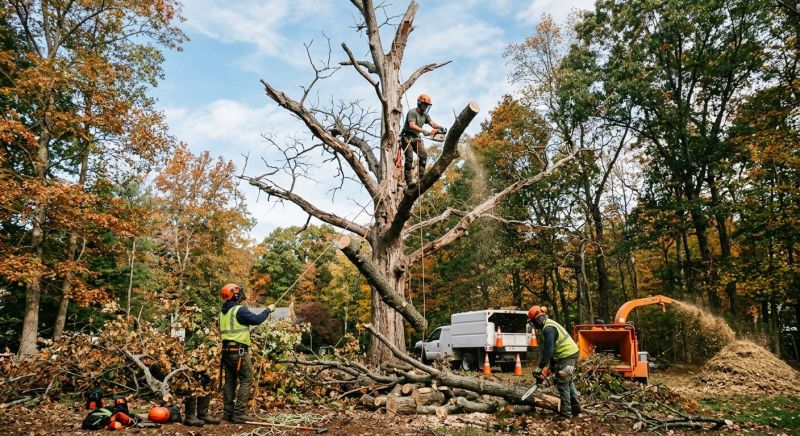
Dead Tree Removal Updates
Common ways people refresh, improve, or restore dead tree removal features in doylestown, pa.
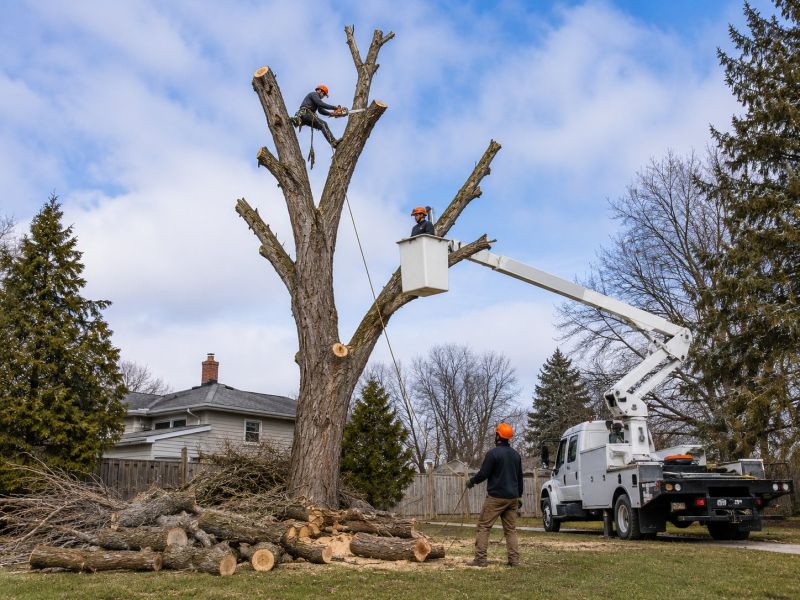
Dead Tree Removal Options
Different styles, layouts, and finishes people consider for dead tree removal in doylestown, pa.
Dead Tree Removal in Doylestown, PA
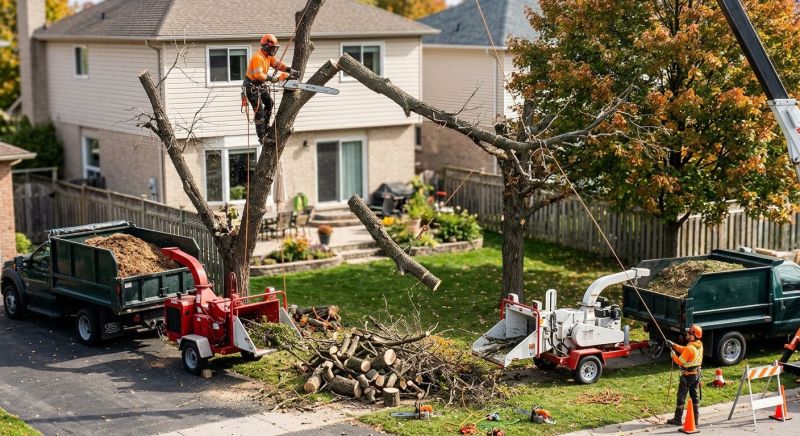
Dead tree removal services involve the safe and efficient removal of trees that are dead, decaying, or pose a risk to property or safety. This type of project typically includes assessing the tree’s condition, planning the best method for removal, and carefully dismantling or extracting the tree to prevent damage to surrounding structures, landscaping, or utilities. Homeowners often request this service when a dead or dying tree threatens to fall, causes obstruction, or has become insect-infested, helping to maintain the safety and appearance of the property.
Before requesting dead tree removal, property owners should consider factors such as the tree’s location, size, and proximity to buildings or power lines. It’s also helpful to understand the potential impact on landscaping and whether permits or notifications are required by local regulations. Proper planning ensures the removal process is carried out smoothly and safely, minimizing disruption and protecting the surrounding environment.
Many property owners in Doylestown, PA look into Dead Tree Removal for repairs, replacements, upgrades, and appearance-related improvements.
Common Dead Tree Removal Jobs
Dead Tree Removal - safely eliminates hazardous or dying trees from residential properties.
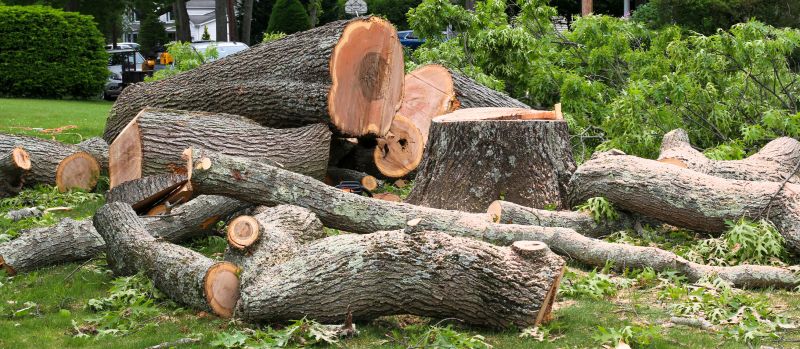
Storm-Damaged Tree Removal - clears trees that have been compromised by severe weather events.
Overgrown Tree Removal - reduces excessive tree growth to improve yard safety and aesthetics.
Emergency Tree Removal - provides quick response for trees threatening structures or power lines.
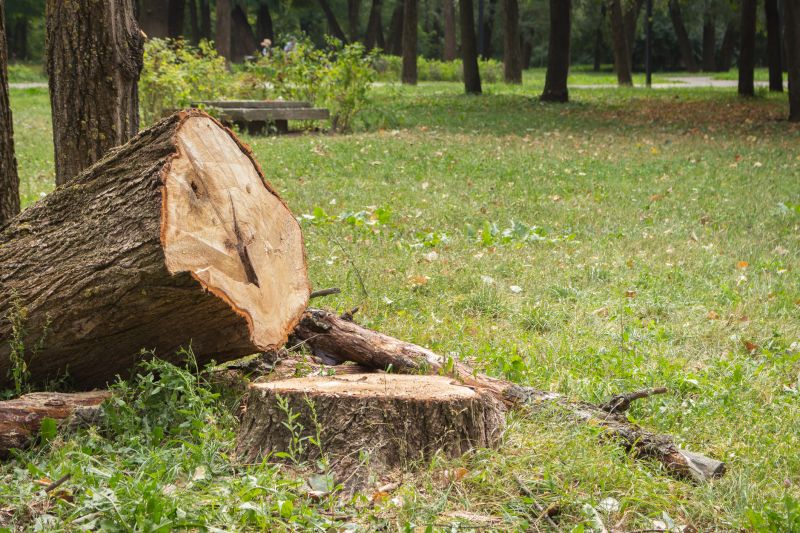
Stump Removal - removes remaining stumps to prevent pest infestations and allow for landscaping.
Selective Tree Removal - targets specific trees to improve overall landscape health and safety.

Dead Tree Removal Questions
Why remove a dead tree? Removing dead trees prevents potential hazards like falling branches and protects surrounding structures and landscape health.
What types of dead trees are removed? All types of dead or dying trees, regardless of species or size, can be safely removed to improve property safety and appearance.
Is dead tree removal necessary near structures? Yes, dead trees close to buildings or power lines pose a risk and should be removed to prevent damage or injury.
What should property owners consider before removal? It's important to assess the tree's location, size, and potential impact on the landscape before proceeding with removal.
Request Dead Tree Removal in Doylestown, PA
Use the quote form on this page to share the basics of your project and request more information for the type of work you need.